


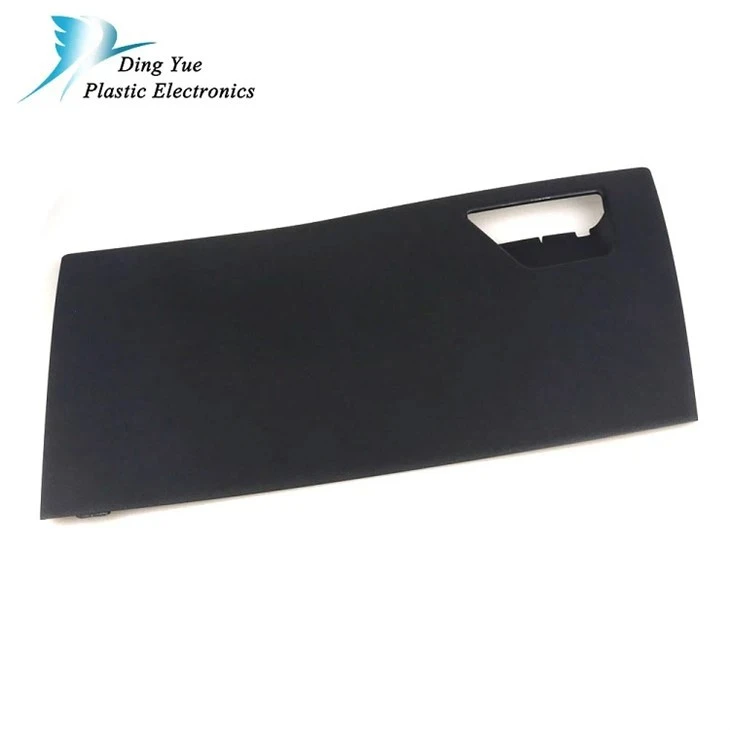

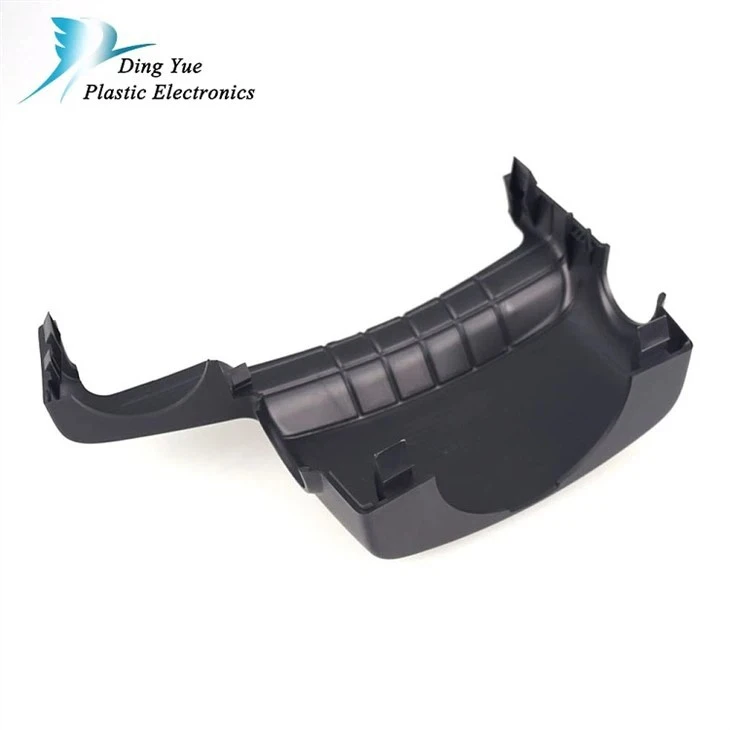
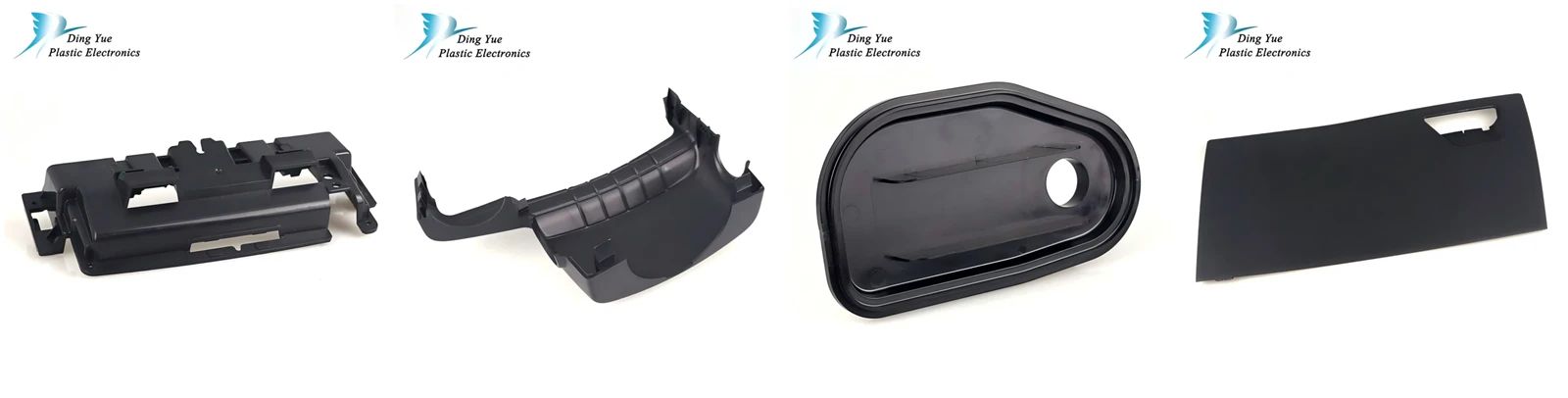
PPE injection molding produces lightweight, heat-resistant, and dimensionally stable components ideal for automotive, electrical, and industrial applications.
What is PPE?

Polyphenylene ether (PPE), also commonly known as polyphenylene oxide (PPO), is a high-performance thermoplastic that known for its outstanding heat resistance, low moisture absorption, and excellent dimensional stability.
PPE is a semi-crystalline polymer characterized by its high molecular weight and rigid aromatic backbone. It can withstand continuous temperatures and maintain its strength even at elevated temperatures. Additionally, it exhibits good electrical insulating properties, low moisture absorption, and excellent resistance.
PPE plastic is generally safe.Just ensure it's used according to safety guidelines and standards.
What is PPE injection molding?
In PPE injection molding, molten plastic is injected under high pressure into a precisely designed mold that defines the shape of the final PPE product. With this manufacturers can produce complex designs and fine details in large quantities with minimal waste.
Injection molding produces PPE items – helmets, face shields, and goggles with fine details including ventilation holes and logos. The process can be repeated thousands of times with the same accuracy.

Benefits of PPE injection molding
High-Volume Production: One of the biggest advantages of injection molding is its ability to produce large volumes of PPE components quickly.
Cost-Effectiveness: Despite the initial setup cost for molding equipment, the per-unit cost of producing items through injection molding decreases significantly with larger quantities. This makes it a highly cost-effective solution for mass production.
Customization: With custom plastic injection molding, manufacturers can produce PPE according to specific industry standards or requirements. Modifying molds helps create products for different uses or to meet regulatory guidelines.
Reduced Material Waste: Injection molding is a very efficient process. It reduces material waste and serves more sustainable choice for mass production. Using materials carefully cuts down on the need for extra raw materials and lowers the impact on the environment.
Process Optimization and Challenges
Material Blending is a common practice in PPE processing, where it is frequently blended with other polymers such as polyamide (PA), polystyrene (PS), or polybutylene terephthalate (PBT). This blending strategy is aimed at enhancing specific properties of the final product, including toughness, processability, and cost-effectiveness. However, it also introduces complexity in material handling and processing conditions.
Secondly, Mold Design poses unique challenges, particularly for complex geometries. These may necessitate specialized mold designs incorporating features like hot runners, which facilitate uniform heat distribution and efficient material flow, multi-cavity molds to increase production throughput, or gas-assisted injection molding techniques to optimize filling patterns and minimize cycle time.
Applications of PPE Injection Molding
●Automotive Components - Under-hood parts, HVAC components, and connectors requiring thermal and dimensional stability.
●Electrical and Electronics - Switch housings, circuit breaker enclosures, and connector insulators.
●Industrial Equipment - Pump housings, fans, and covers.
●Consumer Appliances - Coffee maker housings, hair dryer components, and water heater parts.
Hot Tags: ppe injection molding, China ppe injection molding manufacturers, suppliers, factory, injection molding prototype, Pp Plastic Injection Molding, bottle cap injection molding, prototype and plastic mold, plastics molding, Low Volume Plastic Injection Molding


